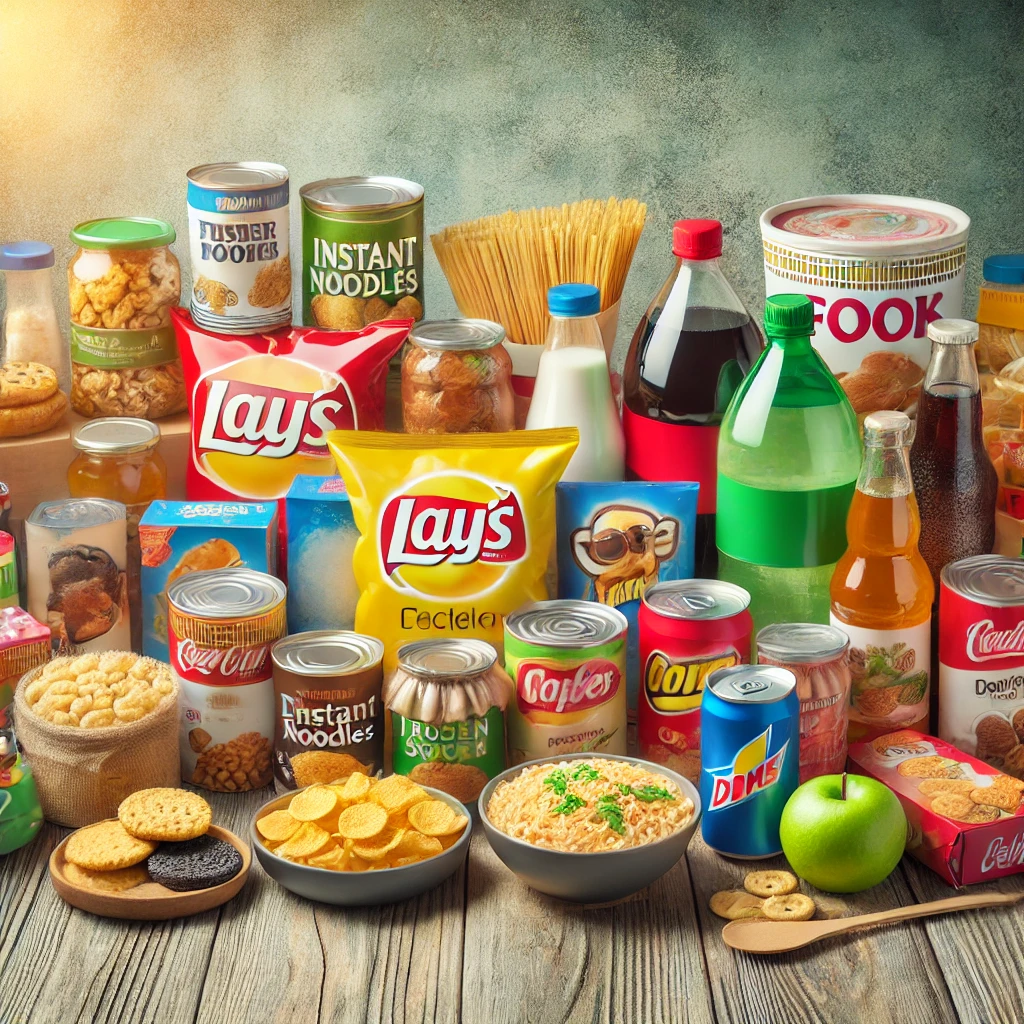
In today's fast-paced world, processed foods have become a staple in any households. From ready-to-eat meals to snack bars, these convenient options save time and effort. However, this convenience comes at a cost. Processed foods are oftne laden with harmful ingredients that can have long-term health consequences. Let's dive into the disadvantages of processed foods and some of the dangerous ingredients lurking in them.
What Are Processed Foods?
Processed foods are those that have been altered from their natural state through methods olike canning, freezing, drying, or adding preservatives. Examples include chips, frozen dinners, canned soups and sugary cereals. While not all processing is bad, such as freezing fruits and vegetables, ultra-processed foods often contain harmful additives and excessive sugar, salt and unhealthy fats.
Health Disadvantages of Processed Foods
1. High in Unhealthy Additives
Processed foods are often rich in artificial flavors, colors, and preservatives to enhance taste and shelf life. These additives can lead to various health issues, from allergies to long-term organ damage.
2. Excessive Sugar and Salt
Many processed foods are loaded with sugar and salt to enhance flavor. Excessive sugar consumption can lead to obesity, diabetes, and heart diseases, while high sodium levels increase the risk of hypertension and kidney problems.
3. Low Nutrional Value
During the processing of food, essential nutrients like vitamins, minerals, and fiber are often stripped away. What's left is calorie-dense but nutrient poor food that contributes to weight gain without providing necessary sustenance.
4. Trans Fats and Unhealthy Oils
Many processed foods contain partially hydrogenated oils, which are a source of trans fats. These fats are known to increase bad cholesterol (LDL), decrease good cholesterol (HDL), and significantly raise the risk of heart disease.
5. Increased Risk of Chronic Diseases
Studies have linked high consumption of processed foods to chronic diseases such as type 2 diabetes, cardiovascular disease, and even certain cancers. The combination of poor-quality ingredients and harmful additives makes them a significant contributor to these conditions.
6. Addictive Nature
Many processed foods are engineered to be hyper-palatable, combining sugar, salt, and fat in a way that triggers the brain's reward system. This makes them addictive and hard to resist, leading to overeating.
Dangerous Ingredients to Watch Out For
1. High Fructose Corn Syrup (HFCS)
HFCS is a cheap sweetener found in sodas, snacks, and desserts. It has been linked to obesity, insulin resistance, and fatty liver disease.
2. Artificial Sweeteners
Ingredients like aspartame and sucralose are often used as sugar substitutes. While marketed as healthier otpions they can disrupt gut health and may have neurological effects.
3. Monosodium Glutamate (MSG)
MSG enhance flavor in processed foods but has been associated with headaches, nausea, and potention neurotixic effects in sensitive individuals.
Sodium Nitrites and Nitrates
Found in processsed meats like bacon and sausages, these preservatives have been linked to an increased risk of cancer, particularly colorectal cancer.
5. Artificial Colors and Flavors
Synthetic dyes like Red 40 and Yellow 5 are linked to behavioral issues in children and potential carcinogenic effects.
Preservatives (e.g. BHA and BHT)
Commonly used to prevent rancidity in processed foods, these chemicals are suspected to be endocrine disruptors and may be carcinogenic.
How to Avoid Processed Foods
1. Choose Whole Foods
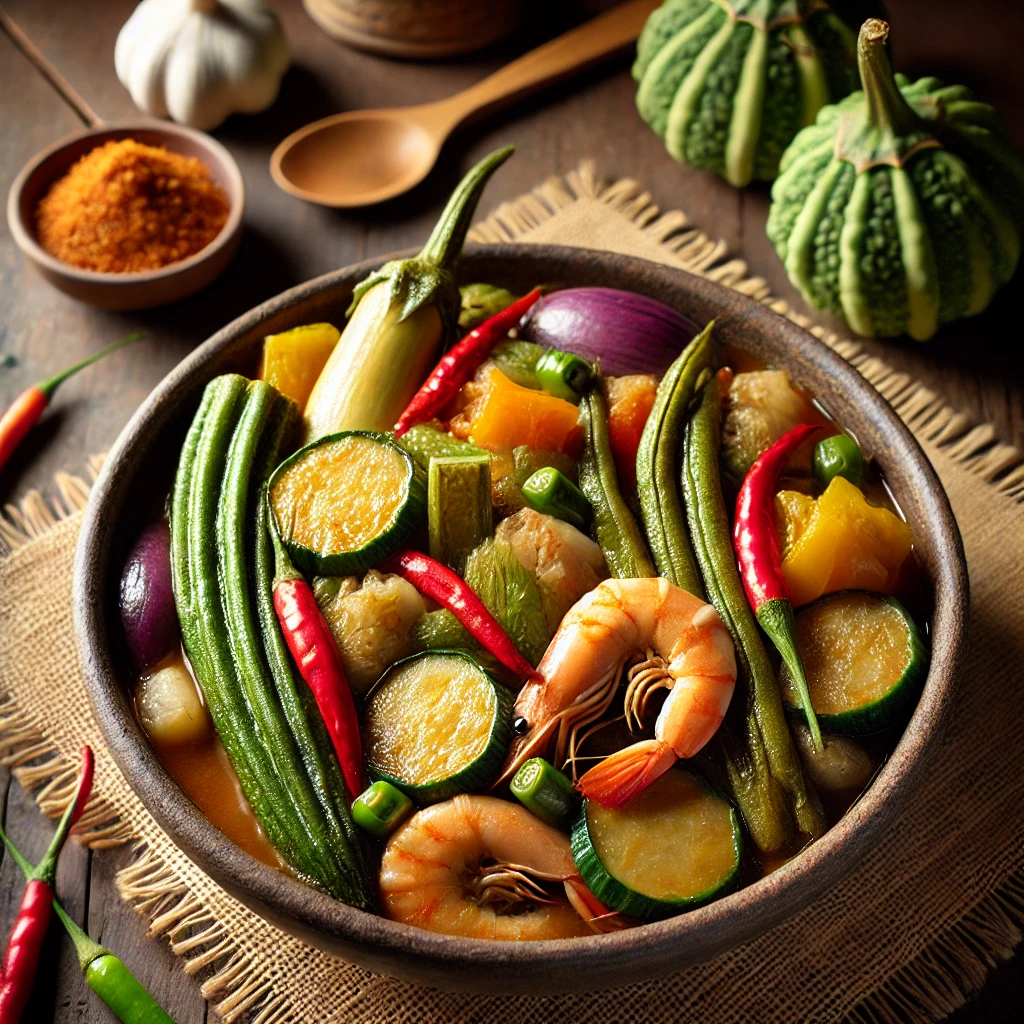
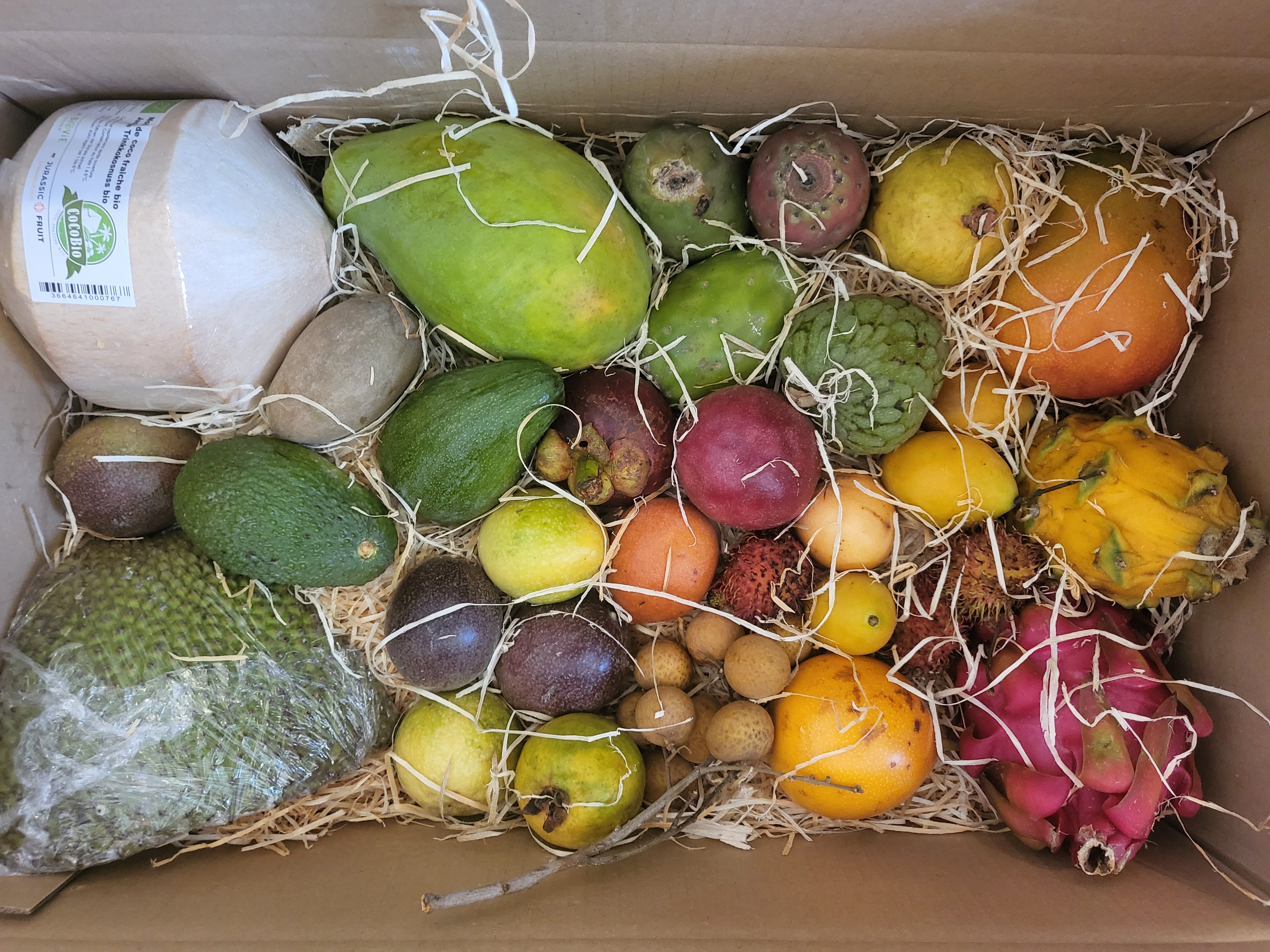
Otp for fresh fruits and vegetables, whole grains and lean proteins. These natural foods are free from harmful additives.
2. Read Labels Carefully
If you can't pronounce an ingredient or it sounds more like a chemistry experiment than food, it's best to avoid it.
3. Cook at Home
Preparing meals at home allows you to control the ingredients and avoid harmful additives.
4. Shop the Perimeter
in most grocery stores, fresh and whole foods like produce, dairy, and meat are located along the perimeter, while processed foods are found in the middle aisles.
Conclusion
While processed foods offer convenience, their hidden dangers far outweigh the benefits. By making conscious choices and prioritiing whole, natural foods, you can protect your health and reduce the risk of chronic diseases. Start small by replacing processed snacks with fresh alternatives and gradually transition to diet rich in real, unprocessed foods. Your body will thank you in the long run.
Stay informed, stay healthy!

Leave a Reply