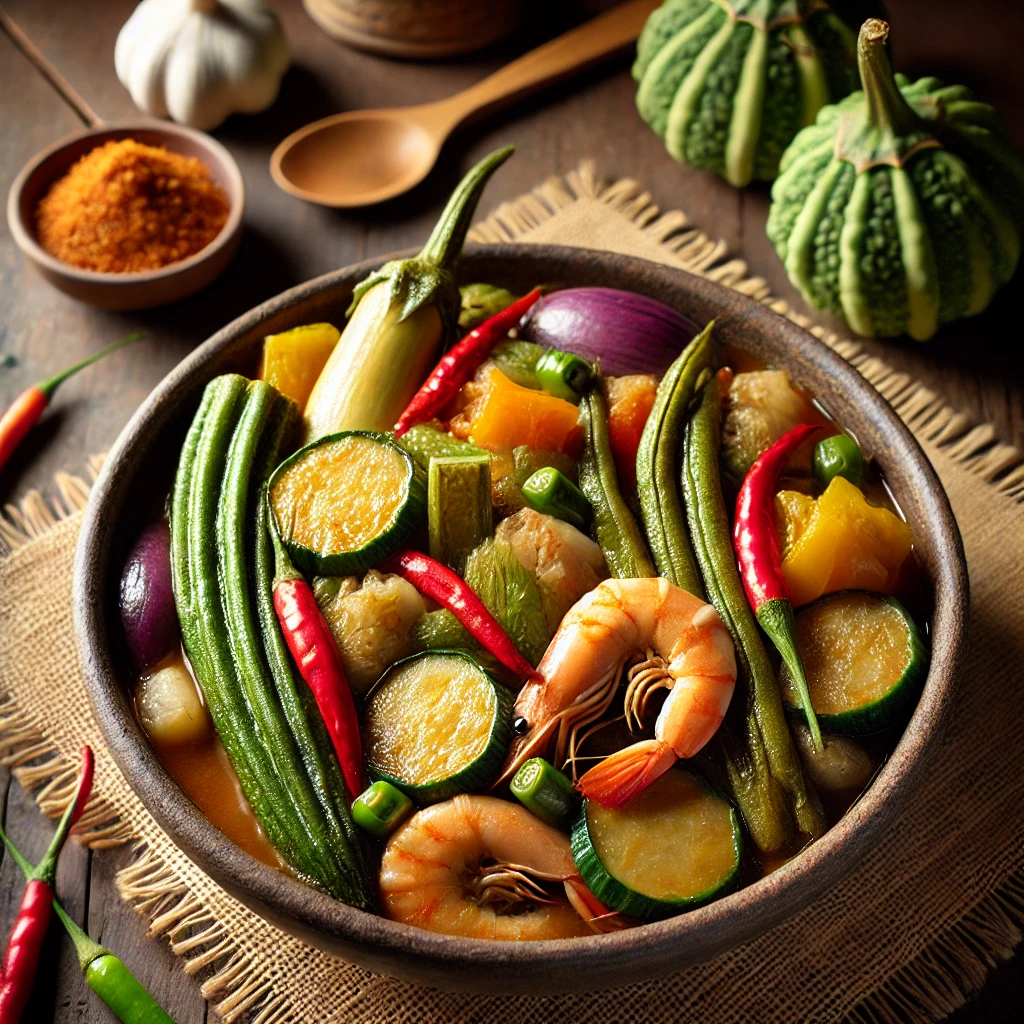
The Philippines is home to a rich culinary tradition, and Pinakbet stands out as a true classic among Filipino dishes. This hearty and flavorful vegetable medley originates from the Ilocos region in northern Luzon but has become staple on tables across the country. Packed with vibrant vegetables, bold flavors, and a touch of nostalgia, Pinakbet is a celebration of Filipino heritage and ingenuity.
What is Pinakbet?
Pinakbet, derived from the Ilocano word "pinakebbet", meaning "shrunk" or "reduced", is dish that involoves simmering vegetables in a flavorful sause until their juices meld together. Traditionally cooked in a clay pot, Pinakbet is characterized by its earthy, savory flavors and slightly bitter undertone, thanks to the use of fermented shrimp paste, or bagoong alamang
Ingredients of Pinakbet
The beauty of Pinakbet lies in its simplicity and versatility. While variations exists, the traditional version includes:
- Vegetables: A colorful mix of native vegetables like bitter melon (ampalaya), eggplant (talong), squash (kalabasa), okra, long beans (sitaw), and sometime green chili.
- Tomatoes: Add acidity and depth to the dish.
- Bagoong Alamang: A fermeted shrimp past that gives Pinakbet its signature umami flavor.
- Proteil: While optional, pork belly or crispy bagnet (deep-fried pork) is often added for richness Some regions also use fish for a lighter alternative.
How Pinakbet is Prepared
Cooking Pinakbet is a straightforward yet deeply satisfying process:
1. Sauté the Base: Onions, garlic and tomatoes are sautéed in a bit of oil, creating a flavorful base.
2. Layer the Vegetables: The vegetables are added in layers, starting with those that take longer to cook, like squash and bitter melon.
3. Season and Simmer: A dollop of bagoong alamang is stirred in, and the dish is simmered with a little water or broth to bring all the flavors together.
4. Add Protein: If using meat or fish, it's added towards the end of cooking to ensure it doesn't overcook.
The result is dish bursting with flavor and textures-a harmonious blend of sweet, savory, and slightly bitter notes.
Why Pinakbet is Loved by Filipinos
Pinakbet is more than just a vegetable dish; it's a cultural icon. Here's why it holds a special place in Filipino hearts:
- Affordable and Nutritious: Made with readily available and affordable vegetables, Pinakbet is packed with vitamins and nutrients, making it both economical and healthy.
- Bursting with Umami: The bagoong adds a depth of flavor that elevates event the simplest ingredients.
- Versatile: While rooted in tradition, Pinakbet is open to variations, with each region adding its unique twist.
- Comfort Food: For many, Pinakbet is a taste of home, evoking memories of family meals and celebrations.
Regional Variations of Pinakbet
Different parts of the Philippines have their own take on Pinakbet:
- Ilocano Pinakbet: The original version, known for its strong bagoong flavor and use of native vegetables.
- Kapampangan Pinakbet: Features sweeter flavors and often includes additional ingredient like sweet potato or shrimp.
- Modern Twists: Some contemporary versions include coconut milk for creaminess or even cheese for a fusion touch.
How to Enjoy Pinakbet
Pinakbet is best served with steamed rice, as the rice balances the dish's strong flavors. It's great side dish for grilled or fried fish and meat, making it a versatile addition to any Filipino feast.
Why Pinakbet is a Must-Try
If you're looking to explore Filipino cuisine, Pinakbet is a must-try dish that captures the essence of the country's culinary heritage. It's a testament to the Filipino ability to create something extraordinary out of humble ingredients, celebrating the land's agricultural bounty and the creativity of its people.
Final Thoughts
Pinakbet is more than just a vegentable dish-it's a slice of Filipino culture served on a plate. Whether you're an adventurous foodie or simply curious about Filipino flavors, Pinakbet offers a delightful introduction to the richness and diversity of the Philippines' culinary traditions.
Try cooking Pinakbet at home or enjoy it a local Filipino restaurant, and let the flavors transport you to the heart of the Philippines.


Leave a Reply