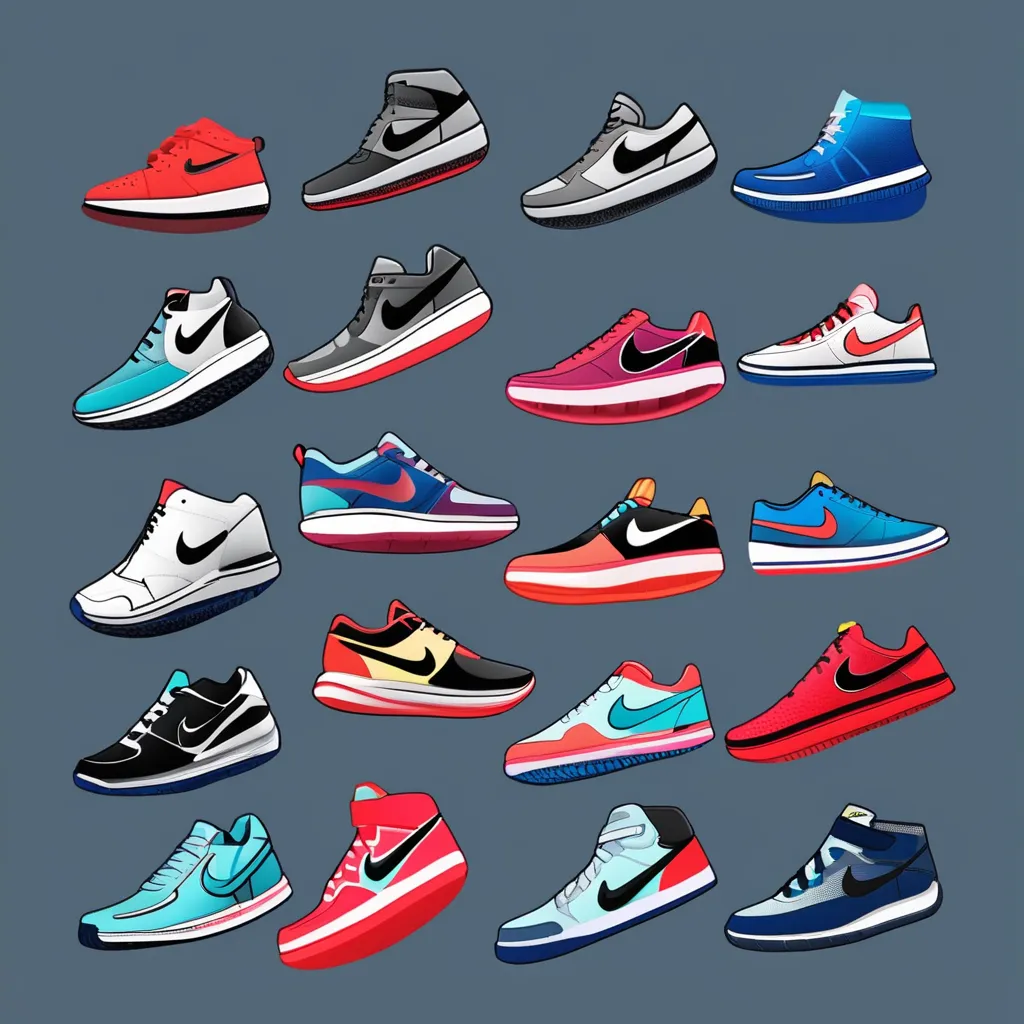
Nike, one of the world’s most recognized sportswear brands, has long been associated with quality footwear and athletic apparel. While many know Nike for its innovative designs and endorsements with top athletes, fewer are aware of its manufacturing operations across the globe, including in the Philippines.
Nike’s Manufacturing in the Philippines
Nike has been outsourcing its production to various countries, including the Philippines, for decades. The country has played a significant role in Nike’s supply chain, thanks to its skilled labor force, competitive production costs, and strategic location in Southeast Asia.
Although Nike does not own factories in the Philippines, it contracts production to third-party manufacturers. These suppliers ensure that the company’s high standards are met while benefiting from the country's strong textile and footwear industry.
Why the Philippines?
There are several reasons why Nike continues to manufacture in the Philippines:
- Skilled Workforce – The country has a large number of experienced workers in the textile and footwear industry. Filipino craftsmanship is highly valued, particularly in stitching, cutting, and assembling sportswear.
- Cost-Effective Labor – Compared to Western countries, labor costs in the Philippines are lower, making it an attractive destination for global brands looking to maintain profit margins while keeping prices competitive.
- Proximity to Other Manufacturing Hubs – The Philippines is strategically located near other major production centers such as Vietnam, China, and Indonesia, allowing for efficient logistics and supply chain management.
- Government Incentives – The Philippine government offers incentives to foreign companies operating in special economic zones, providing tax benefits and support for manufacturing businesses.
Nike and Ethical Manufacturing Concerns
Nike has faced criticism in the past regarding labor conditions in some of its manufacturing locations. Reports of low wages, long working hours, and unsafe conditions led to a global movement calling for better labor practices. In response, Nike has made efforts to improve transparency and sustainability in its supply chain.
In the Philippines, many Nike suppliers comply with local labor laws and international standards to ensure fair wages and safe working conditions. The company has also implemented sustainability initiatives, such as reducing waste and improving energy efficiency in production.
Nike’s Impact on the Philippine Economy
Nike’s presence in the Philippines has contributed to the country’s economic growth in several ways:
- Job Creation – Thousands of Filipinos are employed in Nike’s supply chain, from factory workers to logistics and retail staff.
- Technology Transfer – The company brings advanced manufacturing techniques and training programs to local workers.
- Boost to Local Businesses – Nike’s operations support a network of local suppliers, retailers, and service providers, further stimulating economic activity.
The Future of Nike in the Philippines
With the rise of automation and evolving global trade policies, Nike's manufacturing landscape is constantly changing. While production in the Philippines remains strong, there is increasing competition from other countries with lower labor costs, such as Vietnam and Bangladesh.
However, with continued investment in sustainable production and ethical labor practices, Nike’s operations in the Philippines may continue to thrive. As the demand for high-quality and responsibly made products grows, the Philippines can position itself as a key player in Nike’s global strategy.
Final Thoughts
Nike’s presence in the Philippines is more than just about producing sneakers and apparel—it is about the people, the economy, and the evolving landscape of global manufacturing. While challenges remain, the country’s skilled workforce and strong industry infrastructure make it an important hub for sportswear production.
What do you think about Nike’s manufacturing in the Philippines? Do you support brands that prioritize ethical production? Share your thoughts in the comments below!


Leave a Reply