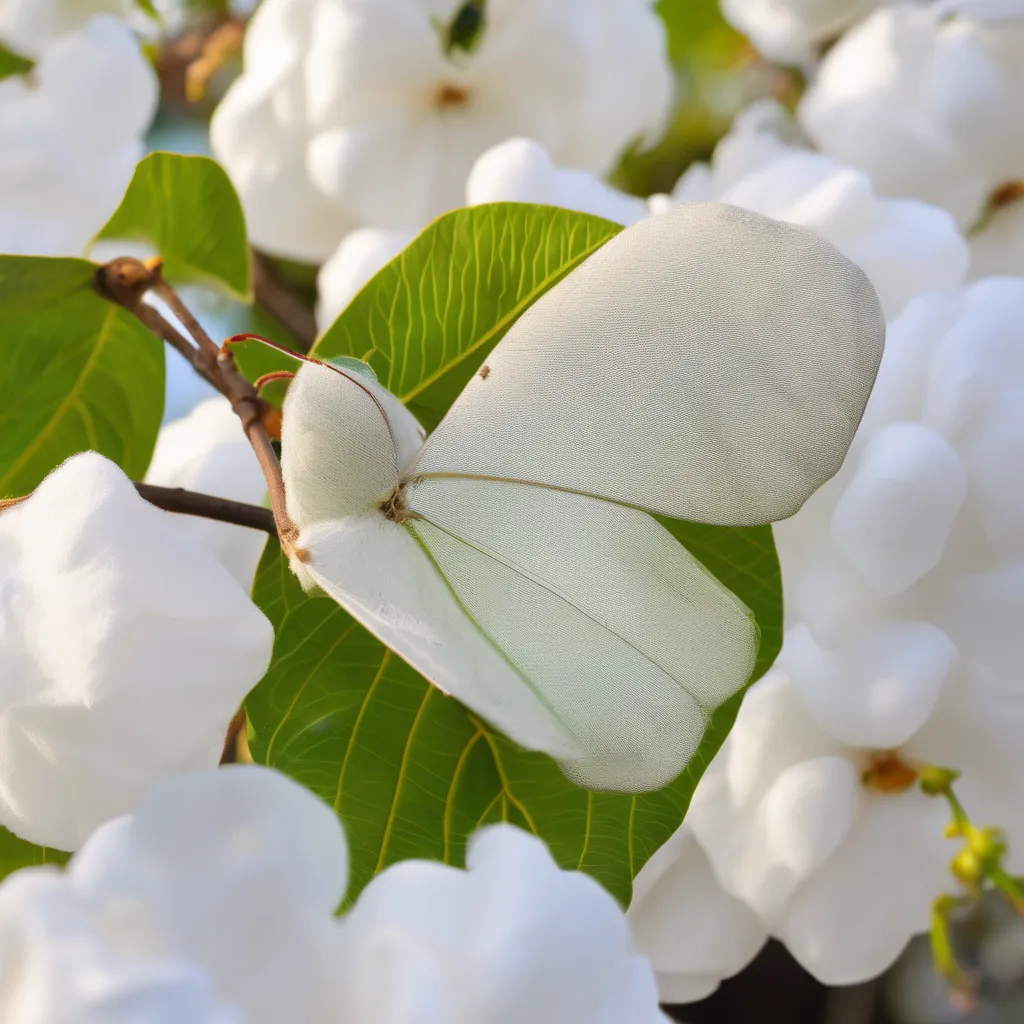
The Philippines, with its rich biodiversity and agricultural heritage, is home to many natural fibers that have sustained industries for generations. One such fiber, often overlooked but with great potential, is kapok. Known as the "cotton of the tropics," kapok has been used for generations in the Philippines, yet its production and utilization remain largely underdeveloped. With the growing demand for sustainable materials, could kapok make a comeback?
What is Kapok?
Kapok (Ceiba pentandra) is a tropical tree that produces light, fluffy fibers inside its seed pods. These fibers, often called silk cotton, are naturally buoyant, water-resistant, and hypoallergenic. Unlike conventional cotton, kapok fibers are too fine and brittle to be spun into thread, but they have been widely used for stuffing pillows, mattresses, life jackets, and even insulation.
In the Philippines, kapok trees grow abundantly in rural areas, with many of them left untapped despite their economic potential.
Kapok Production in the Philippines
Kapok trees thrive in the warm, humid climate of the Philippines and can be found in various provinces, particularly in Mindanao, Visayas, and some parts of Luzon. While the country has a history of kapok production, the industry has dwindled over the years due to the rise of synthetic fibers and cheaper alternatives.
The Traditional Harvesting Process
Kapok production involves several key steps:
- Harvesting – Farmers collect mature kapok pods that naturally split open when ripe, revealing the silky fibers inside.
- Drying – The pods are sun-dried to reduce moisture content and improve fiber quality.
- Extraction – The fibers are manually separated from the seeds and other debris. This is a labor-intensive process, often done by hand.
- Cleaning and Packaging – Once cleaned, the kapok is packed and sold for various applications.
Why Kapok Deserves a Comeback
Despite being overshadowed by synthetic materials, kapok has several unique qualities that make it a valuable natural resource:
1. Eco-Friendly and Sustainable
Kapok trees require minimal maintenance, no fertilizers, and little to no irrigation. Since they grow naturally in tropical forests, they contribute to reforestation efforts and biodiversity conservation. The fibers are also biodegradable, making kapok a zero-waste alternative to synthetic stuffing materials.
2. Lightweight and Water-Resistant
Kapok fibers are naturally hollow, making them incredibly lightweight. They also have a waxy coating, which makes them resistant to water absorption. This is why kapok was historically used in life jackets and flotation devices.
3. Hypoallergenic and Chemical-Free
Unlike synthetic fillers, kapok is naturally hypoallergenic, dust mite-resistant, and free from harmful chemicals, making it an excellent material for pillows, mattresses, and baby products.
4. High Market Potential
With the rise of sustainable and eco-friendly products, kapok has a growing market in industries like:
- Bedding & Home Furnishings – Pillows, mattresses, and cushions.
- Fashion & Textiles – Sustainable clothing and accessories.
- Green Insulation – A natural alternative for home and industrial insulation.
- Eco-Friendly Packaging – A biodegradable alternative to plastic and synthetic fillers.
Challenges in Kapok Production
Despite its benefits, the kapok industry in the Philippines faces several challenges:
- Lack of Awareness & Market Demand – Many Filipinos are unaware of kapok’s potential, leading to low domestic demand.
- Labor-Intensive Processing – The traditional method of fiber extraction is slow and inefficient, requiring innovation in processing techniques.
- Competition from Synthetic Fibers – Cheap synthetic materials dominate the global market, making it harder for kapok to compete.
- Limited Government & Industry Support – Unlike abaca or coconut, kapok has received little attention from agricultural and industrial development programs.
Reviving Kapok Production in the Philippines
To unlock the full potential of kapok, the following strategies can be implemented:
- Government and Private Sector Support – Incentives, research funding, and training programs for kapok farmers.
- Modernization of Processing Techniques – Developing efficient machinery for fiber extraction and cleaning.
- Market Expansion & Awareness Campaigns – Promoting kapok-based products in local and international markets.
- Collaboration with Eco-Friendly Brands – Partnering with sustainable brands to increase the demand for kapok-filled products.
Final Thoughts
Kapok is an underrated natural resource in the Philippines that holds immense potential for sustainable industries. With the rising global demand for eco-friendly materials, now is the perfect time to revive kapok production. By investing in innovation, awareness, and market expansion, the Philippines can once again become a key player in the kapok industry—bringing economic benefits while promoting environmental sustainability.
Would you support kapok-made products? Share your thoughts in the comments below!



Leave a Reply