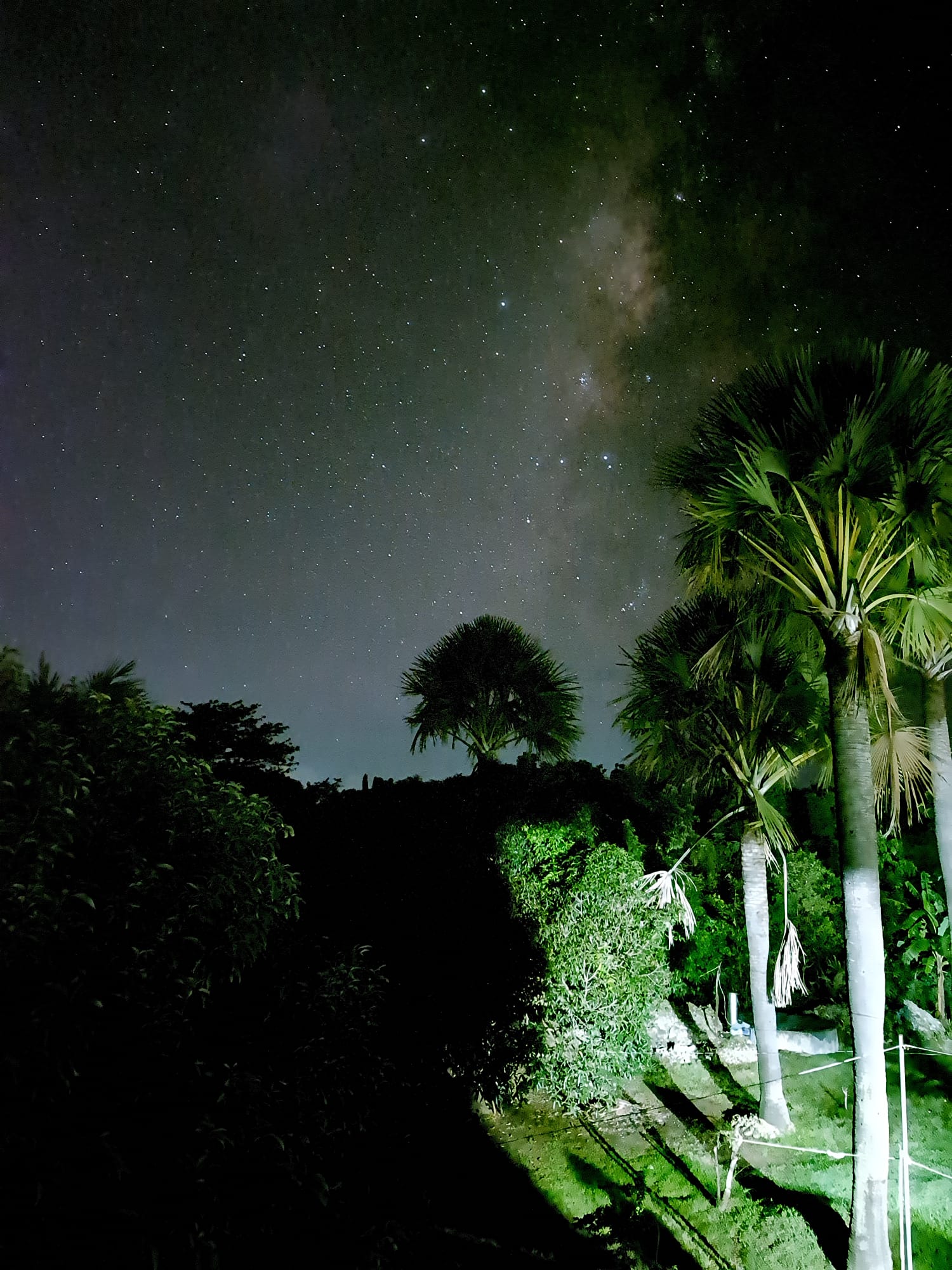
The Philippines, renowned for its stunning beaches and lush landscapes, offers another spectacular natural wonder: the breathtaking view of the Milky Way. with its dark skies and minimal light pollution in many rural areas, the country is an ideal destination for stargazing and astrophotography enthusiasts.
The Magic of the Milky Way
The Milky Way is a barred spiral galaxy, home to our solar system and billions of other stars, planets and celestial objects. When viewed from Earth, it appears as a shimmering band of light stretching across the night sky - a phenomenon best observed in locations far from city lights.
In the Philippines, the Milky Way's beauty is amplified by the clear skies during dry season months, making it a dream for stargazers and night-sky photographers.
When and Where to See the Milky Way in the Philippines
Best Time to View
The Milky Way is most visible in the Philippines from March to October, with the peak months being April to July. During this period, the galaxy's core rises in the eastern sky and gradually moves westward through the night.
Top Locations for Stargazing
1. Batanes: With its remote location and minimal light pollution, Batanes offers a pristine view of the Milky Way. The rolling hills and traditional stone houses create a unique foreground for astrophotography.
2. Pangasinan: Anda and other coastalareas are excellent for stargazing, offering clear horizons ad peaceful settings.
3. Palawan: Known for its untouched natural beauty, places like El Nido and Coron are also ideal spots to catch the Milky Way.
4. Siquijor: This mystical island is perfect for nighttime photography, with its quiet beaches providing an unobstructed view of the sky.
5. Mt. Pulag (Benguet): At 2,926 meters above sea level, Mt.Pulag offers a breathtaking view of the galaxy, often accompanied by a sea of clouds below.
Stargazing Tips
- Check the moon phase: A new moon or crescent moon phase offers the darkest skies for observing the Milky Way.
- Choose the Right Time: The best time to view the Milky Way is between midnight and the early hours of the morning when it is high in the sky.
- Avoid Light Pollution: Seek remote areas with little to no artificial lightning.
- Use Apps: Apps like Stellarium or SkySafari can help you locate the Milky Way and other celestial objects.
Capturing the Milky Way: Astrophotography Essentials
For those looking to photograph the Milky Way, here are a few tips:
- Gear: Use a DSLR or mirrorless camera with a wide-angle lens (preferably with an aperture of f/2.8 or lower).
- Tripod: A sturdy tripod is essential for long-exposure shots.
- Settings: Start with a high ISO (1600-3200), a 20-30 second exposure, and manual focus set to infinity.
- Foreground: Include elements like mountains, trees, or beaches to add depth and context to your photos.
The Milky Way and Filipino Culture
The Milky Way, known locally as "Galaksiya" or "Daan ng Gatas", as been a part of Filipino folklore and traditions. Some indigenous groups view it as a cosmic river or a path for spirits, reflecting the deep connection between Filipinos and the stars.
Why the Philippines is a Stargazing Haven
The archipelago's diverse landscapes, from mountains to islands, provide countless vantage points for stargazing. Coupled with its tropical climate and accessible locations, the Philippines stands out as one of the best countries in Asia for observing the Milky Way.
Final Thoughts
Witnessing the Milky Way as it passes over the Philippines is a truly awe-inspiring experience. Whether you're lying on a beach in Palawan or trekking up Mt. Pulag, the sight of this celestial marvel will leave you feeling humbled and connected to the universe.
So pack your bags, head to the dark skies, and prepare to be mesmerized by the Milky Way in the heart of the "Pearl of the Orient Seas".







Leave a Reply